Monster Hunter is the iconic Japanese media franchise first released in 2004 with the action role playing game Monster Hunter for PlayStation 2. It is undeniable that the most memorable feature of Monster Hunter is the monsters themselves, but how does a series create over 330 different Monsters while keeping each design fresh and engaging to players?
Delving into the designs I have researched and broke down what are the continuous elements in Monster Hunter’s iconic creature design and put them into a set of rules for you to use when creating your next creature concepts to help elevate your designs to be just as iconic and memorable!
1. Physiology Comes First
The most important rule of Monster Hunter’s creature design is that Physiology comes first. Essentially the concept artists focus on where the monster works in the world of the game asking questions like; how do they hunt? What do they eat? Where do they live? What are their behaviours? These simple but important questions in the initial design of a creature can really give pointers in what direction the design should be leaning towards. The monster’s ‘fit’ into the world comes first before how they will interact against the player making each design feel plausible in the Monster Hunter universe.
2. Depth of Personality
Another important trait of Monster Hunter’s creatures is that they are never made with the intention of being solely and enemy for the player, the design team always strive to make the creatures of monster hunter feel more like animals operating on their instincts. This is translated into the designs by creating features which aren’t specific to battling players. For example, Chameleos is a chameleon style monster which turns invisible to avoid confrontation. Having created a wide spectrum of different monster personality types makes player’s experiences fresh and different with each monster.
3. Features with Intention
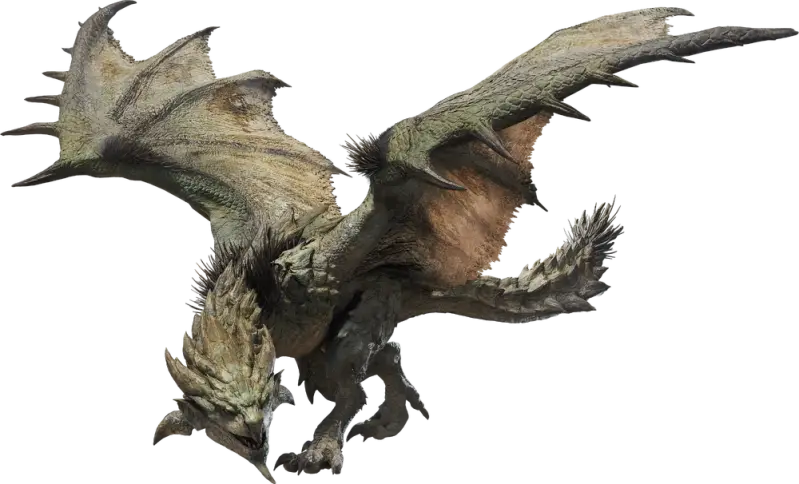
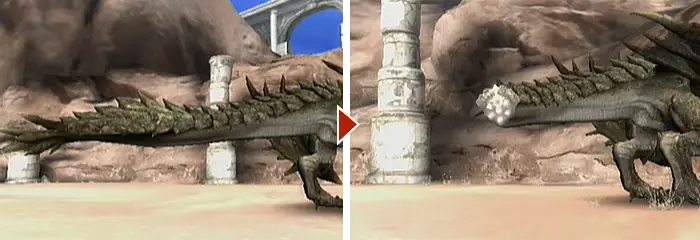
Another consistent rule used in the designs of the Monsters is each unique feature of the monsters has an intended purpose. An example is that the Rathian is the female wyvern-like dragon which has the tip of it is covered in many thin green spikes which can be used in defence but also used to camouflage on their nests to keep their eggs hidden. Creating even small features with an intentional use for the monster elevates the design making the creature fee like they’ve evolved with these features not just randomly stitched together with them.
4. Environment In Effect
Another important element of Monster Hunter’s designs is the highlight of the creature’s environment and just exactly how they interact with it. Though this comes back to the point of physiology of the monster the environment where the creature resides is incredibly important. In simplistic terms, a creature with thin vulnerable skin is not going to look at home in a snowy tundra so having a clear idea of where your creature lives can help with the designing process massively. However, it should also impact the design of the creature where both the environment and the creature complement each other, not one simply bending to the other but a harmonious balance. This makes the creatures feel believable in their world no matter how absurd or fantastical the design is.
With these four rules applied to your own creature concept designs you too can make compelling and iconic creature designs for whatever project you work on!


Create Your Own Website With Webador